
Cooking equipment
Grills, fryers, ovens and production lines create different exhaust profiles.
PURIFICTION SOLUTIONS
We design and manufacture commercial-kitchen and industrial exhaust purification systems using electrostatic precipitators, Water Mist Hoods and dedicated odor-treatment stages.
Each technology can operate independently or as part of an integrated solution selected for the emissions, operating conditions and available ventilation route.
STANDARD & CUSTOM SYSTEMS — MADE IN EGYPT — SITE-SPECIFIC DESIGN — INSTALLATION, SERVICE & SUPPORT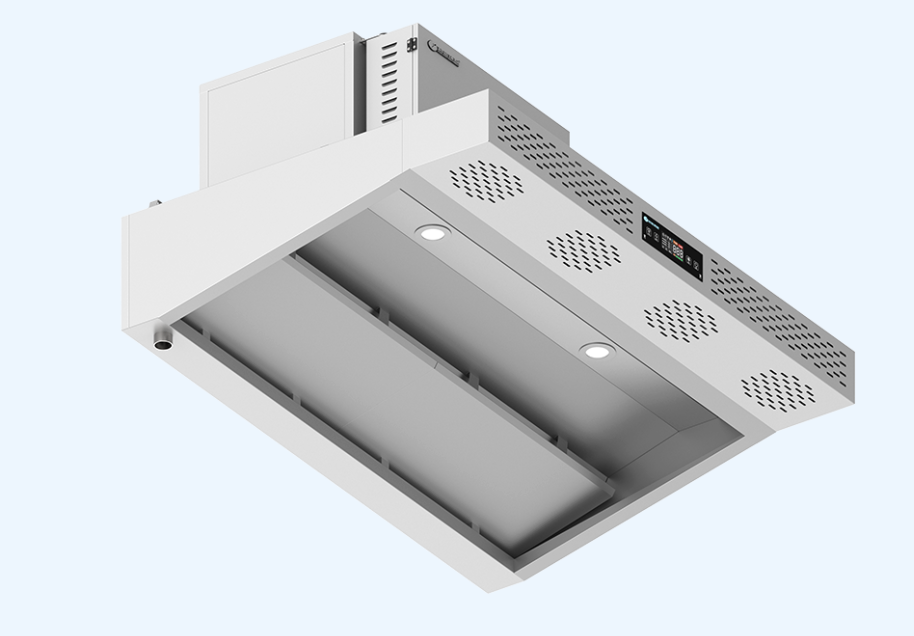
ENGINEERING BEFORE EQUIPMENT
Charcoal-grill smoke is different from the exhaust produced by frying lines, bakery ovens or food-processing operations. System selection follows a technical and operational review—not kitchen area alone.
Grills, fryers, ovens and production lines create different exhaust profiles.
Actual extracted airflow determines treatment capacity.
Food type, cooking method and temperature change contaminant load.
We determine whether particle purification is sufficient.
Space, duct routing, discharge point and service access are reviewed.
Operating hours guide cleaning and maintenance planning.
SOLUTION OVERVIEW
PURIFICTION solutions are available as independent or integrated systems, with additional treatment stages selected for the pollutants and project requirements.
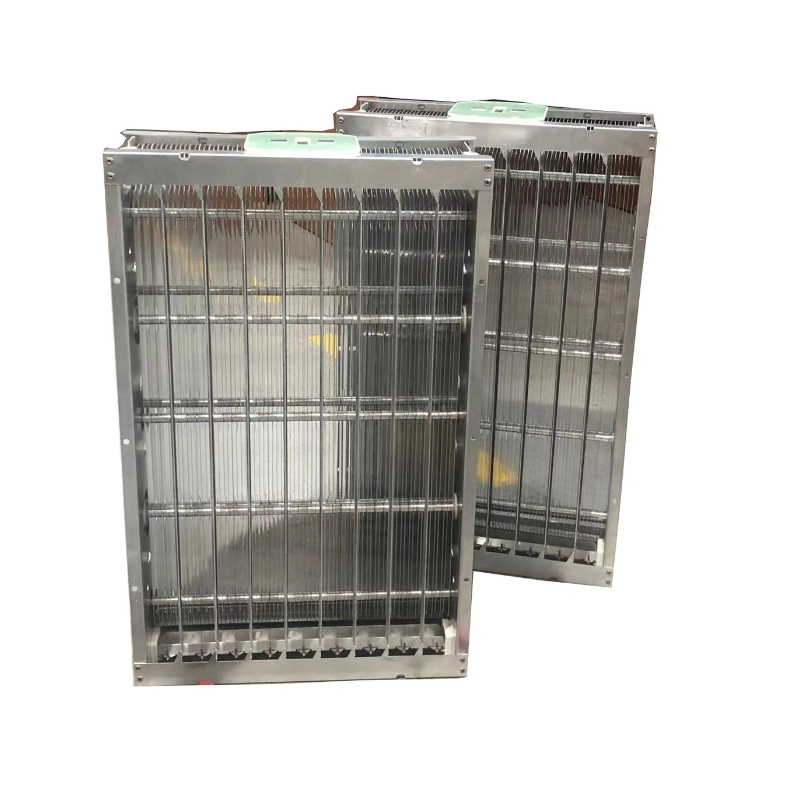
Capture grease, oil mist, visible smoke and fine particles using high voltage and washable metal collector cells.
Explore ESP solutions →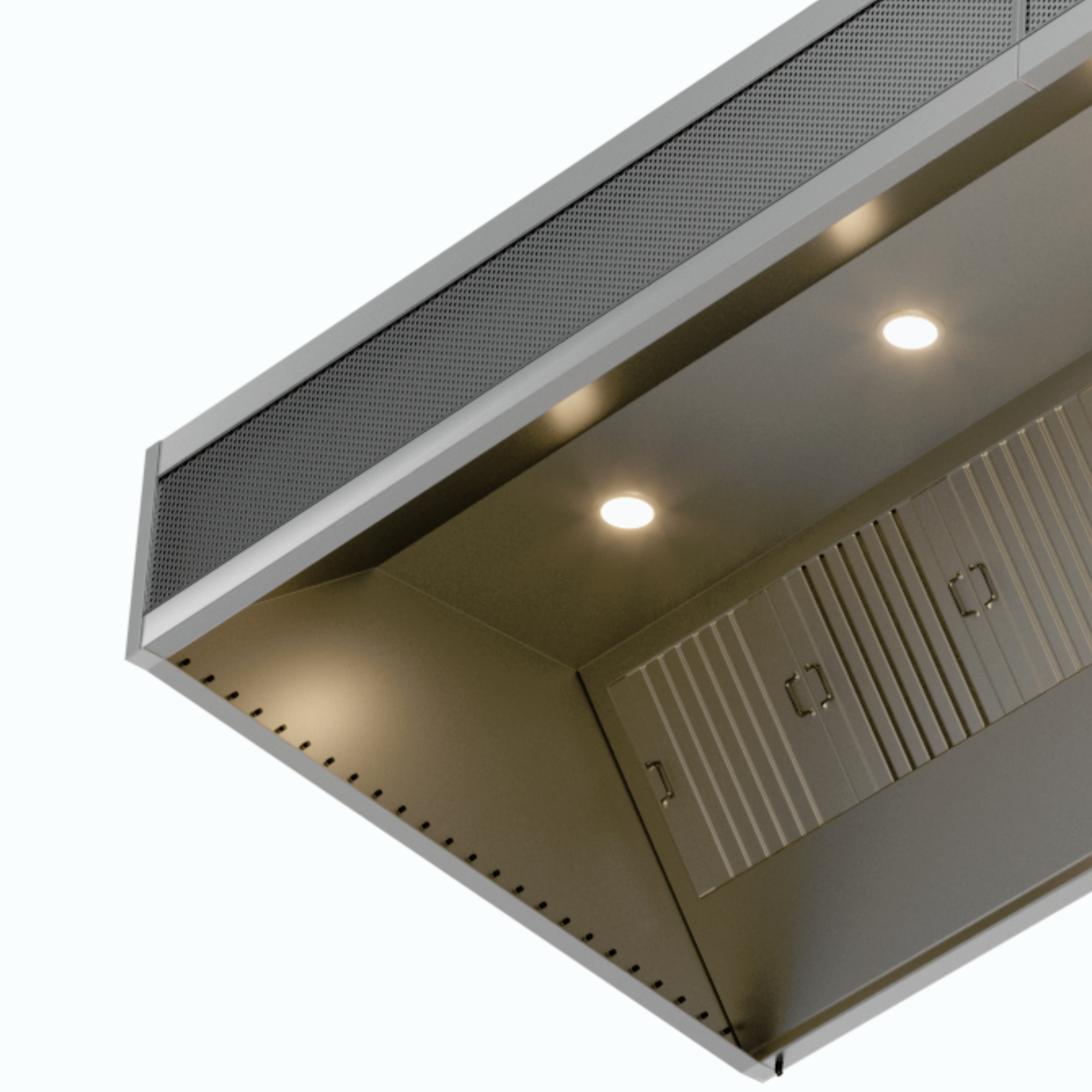
Begin treatment at the capture point to separate part of the heavy grease load and cool hot exhaust.
Explore Water Mist Hoods →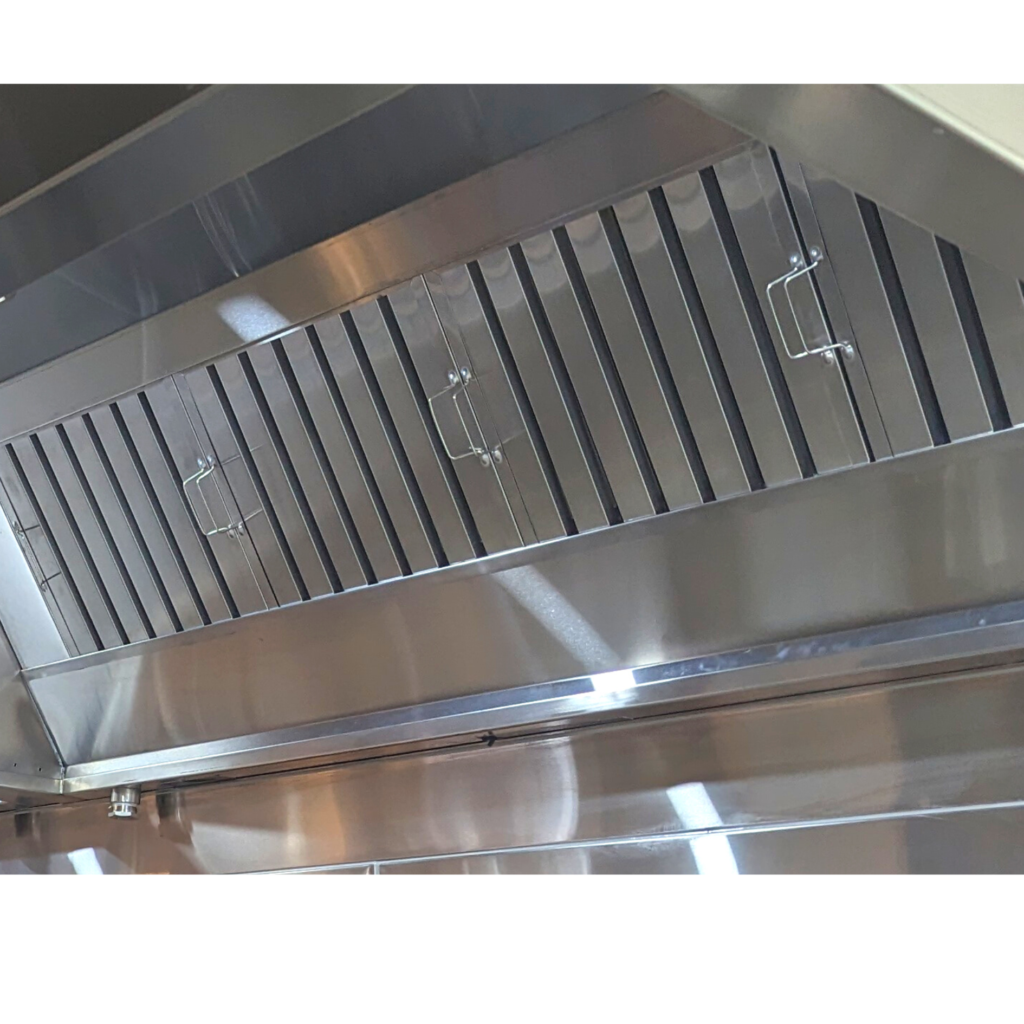
Water Mist + ESP + Odor Control + Fan System.
Design an integrated system →SOLUTION 01
PURIFICTION ESP units treat grease- and smoke-laden air inside the extraction route. Particles receive an electrical charge, migrate toward collector plates and remain there instead of continuing with the airflow.
Collector cells are removable, washable and reusable, reducing frequent reliance on disposable filters.
Visible smoke, grease and oil mist, rapid duct accumulation, washable-cell requirements, difficult ventilation routes or the need to treat exhaust before discharge.
SOLUTION 02
Water Mist Hoods are used for applications with high grease and heat loads, particularly charcoal grills and intensive cooking lines. Fine water mist captures part of the airborne grease and reduces vapor temperature before downstream treatment.
Charcoal grills, grill restaurants, frying and roasting lines, central kitchens, hotel kitchens, food preparation facilities and intensive operating cycles.
Request a Water Mist Hood designSOLUTION 03
Where grease, smoke and odor loads are high, one treatment stage may not be enough. An integrated system combines heavy-grease separation, fine-particle collection, odor treatment, extraction and control.

Separates heavy grease and cools hot vapor.
Captures oil mist, smoke and fine particles.
Reduces cooking and charcoal odors.
Maintains duty and sequences the stages.
ODOR CONTROL
ESP treats grease, smoke and particles. Odors are generated by gases and volatile compounds that can require a separate stage selected according to food type, odor intensity, operating hours and discharge-point sensitivity.
Removing grease and smoke before odor treatment improves performance and reduces the media saturation rate.
Request an odor assessment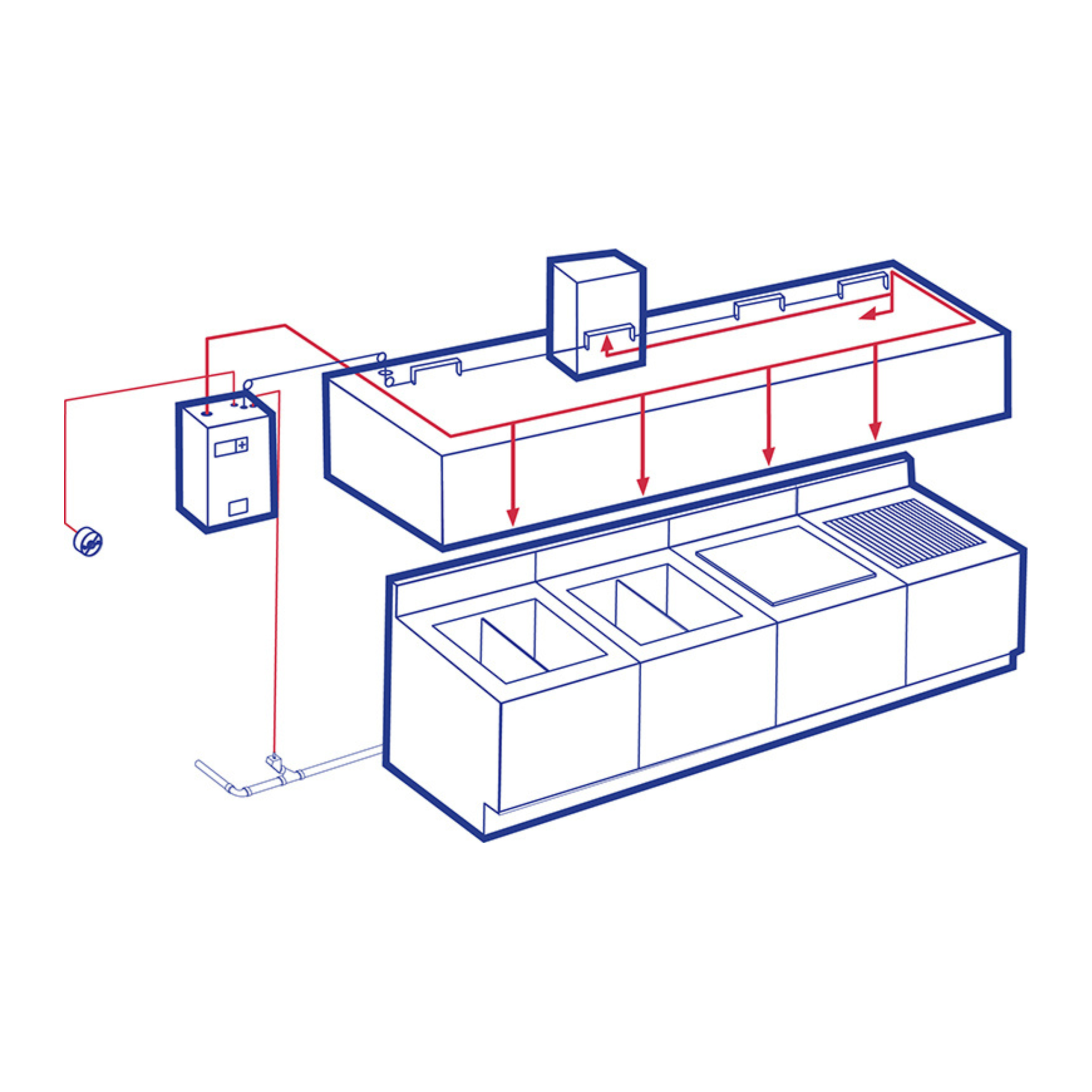
SITE-SPECIFIC SOLUTIONS
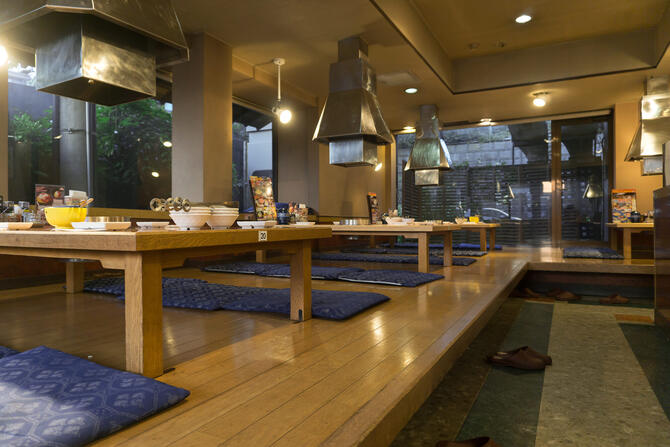
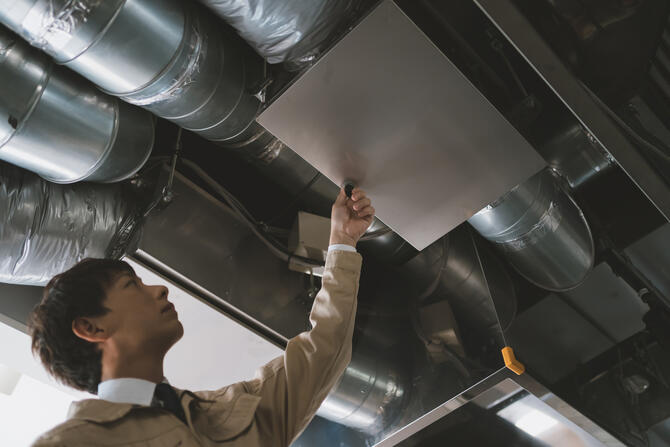
Limited service space, complex discharge routes and high sensitivity to smoke and odors.
CONFIGURATIONESP with odor treatment; Water Mist where cooking equipment requires it.
High grease, dense smoke, elevated temperature and strong odor.
CONFIGURATIONWater Mist Hood, ESP and a suitable odor-treatment stage.
Large airflow rates and multiple cooking appliances operating together.
CONFIGURATIONMultiple units or a custom central system sized to actual airflow.
Smoke and odor complaints with difficult high-level discharge routing.
CONFIGURATIONMulti-stage treatment following discharge-point and regulatory review.
Preventing odor migration to guestrooms and public areas.
CONFIGURATIONESP, odor treatment and controls around the operating profile.
Smoke, oil mist and vapor from frying, roasting and production lines.
CONFIGURATIONCustom solution after emission, temperature and operating-hour analysis.
SOLUTION COMPARISON
| Exhaust issue | ESP | Water Mist | Odor Treatment | Integrated System |
|---|---|---|---|---|
| Grease & oil mist | Highly suitable | Suitable | Not designed for it | Highly suitable |
| Visible smoke | Highly suitable | Initial effect | Not designed for it | Highly suitable |
| Exhaust temperature | Limited effect | Highly suitable | Not designed for it | Highly suitable |
| Odors | Additional stage required | Limited effect | Suitable | Highly suitable |
| Charcoal grills | Best when combined | Highly suitable | Recommended addition | Best fit |
| Sensitive sites | Needs assessment | Needs assessment | Suitable | Best fit |
This is a general comparison only. Final selection follows a site survey, airflow review and cooking-equipment assessment.
Get a technical recommendationCAPACITY & CUSTOMIZATION
Capacity is selected from actual airflow, not kitchen area or equipment count alone. General ranges cover 4,000, 6,000, 8,000, 10,000 and 12,000 m³/h, with larger custom systems available.
Unit dimensions, number of ESP cells, airflow direction, treatment stages, odor media, installation method, controls, water and drainage systems, and maintenance access.
Find the right capacityHOW WE SELECT THE SOLUTION
FREQUENTLY ASKED QUESTIONS
Yes. Each system can operate independently or be integrated according to the exhaust profile and project requirements.
No. It is typically used for high grease and heat loads such as charcoal grills and intensive cooking lines.
ESP primarily treats grease, smoke and particles. Odors may require an additional stage.
In many sites, yes, following a review of airflow, ductwork, fan and available space.
REQUEST A TECHNICAL RECOMMENDATION
Send the project location, cooking equipment, hood dimensions, available airflow, site photos, duct drawing and the main grease, smoke, odor, heat or discharge-route issue.